



Winter Threatens the Health of Older Adults: General Practitioner’s Warning on Reduced Activity During Cold Seasons
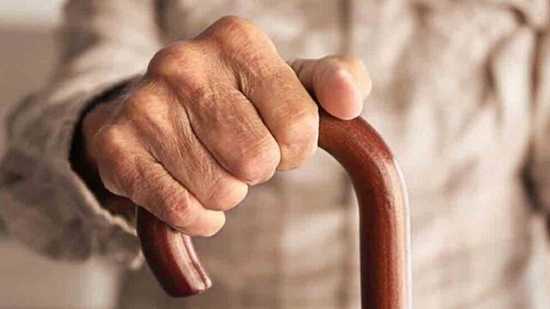
Dr. Mehdi Talebinia, a general practitioner, emphasized that during cold winter days, reduced physical activity combined with lower temperatures poses significant risks to vulnerable groups, particularly older adults. He noted that with proper care and preventive measures, winter can become a season of tranquility rather than concern for the elderly.
According to the Webda News Agency in Zanjan, Dr. Talebinia highlighted the importance of prevention, balanced nutrition, and family support in later life. He explained that cold weather, dry air, and reduced sunlight are major factors influencing physiological changes in older adults. If not properly managed, these conditions may lead to joint pain, shortness of breath, exacerbation of respiratory diseases, and elevated blood pressure. He further stated that in winter, older adults lose body heat more rapidly, forcing the heart to work harder to maintain body temperature, thereby increasing cardiovascular strain. Without adequate care, cardiac and respiratory symptoms may intensify.The physician stressed that wearing warm, layered clothing—such as woolen socks, gloves, and hats—even indoors in poorly heated homes can help prevent hypothermia. He also recommended that heating systems operate consistently and that indoor air remain humid. The use of humidifiers, placing water containers near heaters, and ensuring proper ventilation can prevent dry skin and coughing.He underscored the role of proper nutrition in regulating body temperature. He advised consuming low-salt soups and stews, fresh vegetables, fish, eggs, and foods rich in vitamins D and C during cold seasons. Drinking warm fluids also supports hydration and helps maintain body temperature. Conversely, excessive consumption of strong tea or sugary foods may have adverse effects and should be replaced with mild herbal infusions such as borage or lemon verbena. He reminded families that regular physical movement, even indoors, prevents muscle weakness and joint stiffness. Older adults should be encouraged to perform light stretches, seated arm and leg exercises, or short walks in warm indoor spaces.
Dr. Talebinia added that social isolation and loneliness represent the greatest risks during winter. Family engagement through conversation, shared activities, and listening to elders’ memories has profound effects on their emotional well-being and mental health. He further emphasized the importance of regular monitoring of blood pressure and blood glucose at home, paying attention to unusual symptoms such as shortness of breath, chest pain, or dizziness, and avoiding self-medication under the assumption of “simple colds.” Seeking medical advice or visiting healthcare centers in case of serious symptoms is crucial. Finally, Dr. Talebinia stressed that older adults are the living memory of society. Caring for them means preserving intergenerational bonds. By maintaining both the warmth of family relationships and appropriate home temperatures, winter can become a season of peace, dialogue, and kindness.

Leave a comment