



Debunking 13 Common Myths About Cancer: Separating Fact from Fiction
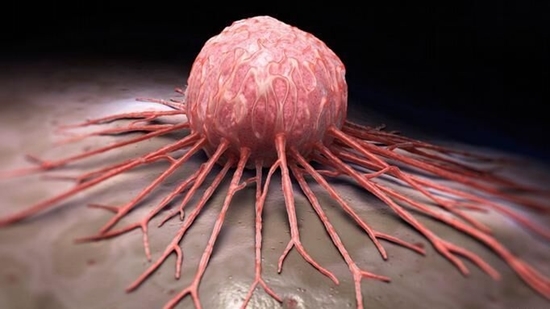
Debunking 13 Common Myths About Cancer: Separating Fact from Fiction
The lack of specialized knowledge and awareness in the public sphere often creates a fertile ground for the growth of misconceptions and unscientific myths. Cancer, unfortunately, has been a frequent subject of such misinformation. These myths are not merely harmless thoughts; they directly influence critical decisions at the most pivotal crossroads of a person’s life—decisions that determine their future. Correcting these prejudices is, therefore, a vital necessity.
While cancer was long viewed as an inevitable end, modern science and medical evidence demonstrate that precise understanding can debunk many of these misconceptions. Below, we examine 13 common myths about cancer and the corresponding scientific realities.
1. The “Big Pharma” Conspiracy
- Myth: A definitive cure for cancer has been discovered, but pharmaceutical giants are suppressing it to maintain profits.
- Fact: This claim, frequently circulated on social media, has no factual basis. Countless specialists, healthcare executives, and some of the world’s most influential and wealthy individuals have lost their lives to cancer. If such a hidden cure existed, it would undoubtedly be available to these individuals.
2. The Myth of “Fatalism”
- Myth: A cancer diagnosis is the end of the line, and the patient has no chance of survival.
- Fact: While cancer is a complex and challenging disease for patients, families, and medical teams, modern medicine has made significant strides. At least half of all cancers are now fully treatable, and many patients experience a significant increase in life expectancy. Survival depends largely on the type of cancer and the stage at which it is detected; a diagnosis is not an automatic defeat.
3. Is Cancer Contagious?
- Myth: Cancer is contagious, and one must avoid physical contact with patients.
- Fact: As a general rule, cancer is not communicable, and there is no need to isolate patients. While certain infectious agents (like specific viruses and bacteria linked to stomach, liver, or cervical cancers) can be transmitted, the disease of cancer itself is not.
4. The Role of Heredity
- Myth: Cancer is purely a genetic fate inherited from ancestors.
- Fact: Only about 5% to 10% of cancers are caused by inherited genetic mutations. Approximately 10% to 30% have a familial pattern. The factors that play a far more significant role than genetics are lifestyle choices, such as tobacco use, poor diet, and exposure to environmental hazards.
5. Physical Trauma and Tumors
- Myth: Physical injuries or accidents cause cancer.
- Fact: Physical trauma or accidents do not create cancerous tumors. Often, the injury simply draws the patient’s or physician’s attention to a mass that was already present in that area.
6. Biopsies and the Spread of Cancer
- Myth: Surgical incisions or biopsies cause cancer cells to spread throughout the body.
- Fact: Biopsies are essential for an accurate diagnosis, and surgery remains a cornerstone of treatment. These procedures do not cause cancer to spread. In rare cases where there is a risk of cell displacement, surgeons employ specialized protocols to strictly prevent any dissemination.
7. Should the Patient Know?
- Myth: Patients should not be told their diagnosis to avoid worsening their mental or physical state.
- Fact: While the need for information varies, evidence in Iran and globally shows that more than two-thirds of patients prefer to know the reality of their diagnosis and treatment process. Once the initial shock of diagnosis passes, patients who are informed generally have better mental health outcomes, adapt better to their condition, and are more compliant with treatment protocols.
8. Are Radiotherapy and Chemotherapy Toxic to Others?
- Myth: Being near someone undergoing chemotherapy or radiotherapy is dangerous for family members.
- Fact: These treatments pose no risk to those around the patient. Conversely, it is the patient who must be protected from others; if family members have acute infectious diseases, they should avoid contact with the patient, as the patient’s immune system is weakened during treatment and they are at higher risk of infection.
9. Deodorants and Cancer Risk
- Myth: Using antiperspirants or deodorants containing aluminum leads to cancer due to skin absorption.
- Fact: To date, no credible scientific study has confirmed such a link. Current data proves that the use of these standard hygiene products is not associated with the development of cancer.
10. Microwaving Plastic Containers
- Myth: All plastic containers are carcinogenic when used in a microwave (or conversely, they are all safe).
- Fact: Containers specifically designed and standardized for microwave use are completely safe. However, using ordinary, single-use plastic containers can cause thermal melting, leading to the leaching of harmful chemicals into the food. Always ensure you are using microwave-safe cookware.
11. Does Sugar “Feed” Cancer?
- Myth: Consuming sugar accelerates cancer growth, and eliminating it entirely will stop the tumor.
- Fact: Cancer cells, like all cells in the body, derive energy from blood glucose. Consuming sugar does not directly accelerate cancer growth, and conversely, the total elimination of sugar will not stop tumor cell proliferation.
12. Cancer as Moral Punishment
- Myth: Good people do not get cancer, and the disease is a punishment for past sins.
- Fact: Cancer, like any other chronic disease, is a physiological phenomenon and has no relation to moral virtue or sin. The tragic reality of childhood cancer is clear evidence of this. While stress and unhealthy competition may weaken the immune system and increase vulnerability, cancer is ultimately a disease, not a punishment.
13. The Myth of Inevitable Pain
- Myth: Pain is an inseparable part of cancer, and the patient must endure it.
- Fact: Pain is not an inherent part of cancer, and in the vast majority of cases, it can be effectively managed with modern methods. Controlling pain improves the patient’s quality of life, vitality, and ability to tolerate rigorous treatments. Common misconceptions hindering pain management include:
- Viewing pain endurance as a virtue.
- Believing pain is “natural” and doesn’t need to be reported to the doctor.
- The fear that asking for pain relief means one is near the end of life.
- Unfounded fears of addiction to opioid painkillers (when used medically under strict prescription, they do not cause addiction).
Concluding Message
To defeat any opponent, one must first understand them. Increasing awareness about cancer and correcting misconceptions is the essential first step toward overcoming the disease. Promoting accurate knowledge is a profound human and social responsibility; knowing the facts is a fundamental right, and debunking myths is a collective duty for the promotion of public health.
Source: “Self-Care Guide for Cancer Prevention and Control,” developed by Dr. Jafar Jandaghi, Dr. Shahram Rafiee-Far, Dr. Ali Ghanbari-Motlagh, Dr. Maryam Beheshtian, Fereshteh Salavati, Eng. Mehzad Vahidi, Dr. Masoud Motalebi-Ghanei, and Dr. Mana-Sadat Ardestani.

Leave a comment